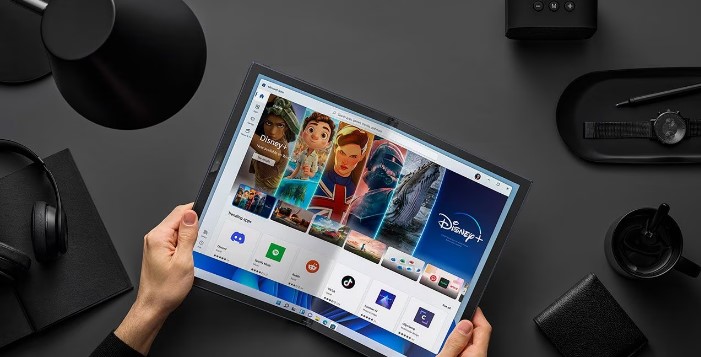
ASUS and other brands are introducing laptops with foldable OLED screens, following the lead of Samsung, OPPO, Xiaomi, Huawei and Motorola in the smartphone market. Over the years, portable computers and smartphones have evolved with various features aimed at improving performance and user experience, such as powerful multi-core processors, higher capacity storage, more potent RAM, longer-lasting batteries, and high-quality screens. However, foldable screens are an exciting new development, driving the creation of smartphones and portable computers that can bend. With this in mind, it’s important to consider multiple factors, such as technical specifications, durability, design, and pricing, when evaluating portable computers with foldable screens. While they can be potentially more portable and flexible, it’s crucial to investigate the nature of the processor, RAM, and internal storage, as well as the hinge system’s durability, weight, and size. It’s also important not to forget the potentially higher price point. Portable computers with foldable screens appeal to consumers for their technological advances, market demand, and new opportunities for multi-tasking and productivity.
Pantallas plegables en computadoras: La nueva tecnología de ASUS y otras marcas